
- Innovative Orthotic Care, Designed Around You
- 50+ Years. Expert Care
- Where Expertise Meets Compassion
What are Orthotics?
Orthotics is a specialised area of healthcare focused on the design and provision of external devices that support, align, or improve the function of the musculoskeletal system. These devices include braces, custom insoles, orthotic footwear, and medical-grade compression garments.
Good posture and skeletal alignment play a vital role in maintaining mobility and preventing long-term discomfort. Whether you’re recovering from injury or managing a chronic condition, orthotic support can help restore balance and improve quality of life.
At Orthotic House, we combine clinical expertise with compassionate care. Backed by three generations of experience, our team delivers evidence-based solutions tailored to your unique needs.
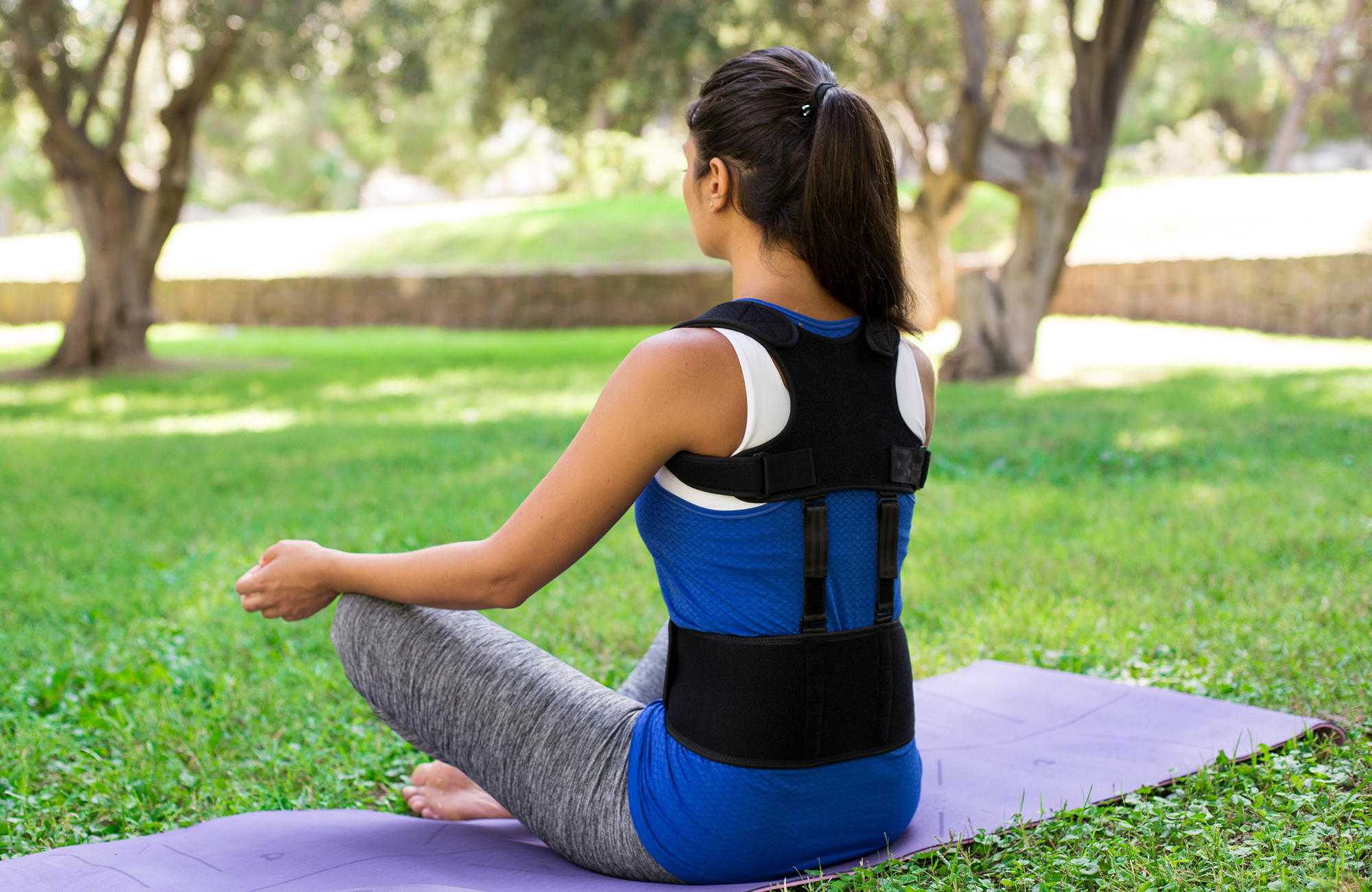
How we help you
Just like people, no two orthoses are the same. Choosing the right solution the first time can help you avoid costly setbacks and ensure better long-term results.
At Orthotic House, we understand everyone’s needs are different.
Our qualified clinicians take the time to understand your lifestyle, activity levels, and medical history — including any existing injuries, conditions, or risks — to develop a tailored treatment plan that supports comfort, function, and recovery.
To learn more about orthotics, please check out our article “Common Questions About Orthotics Answered“.
What are Orthotics FAQ's
How Long Does It Take for Orthotics to Start Working?
Orthotic devices usually require anywhere from a few days to several weeks before they start working effectively.
Some people notice improved comfort and reduced pain within the first one to two weeks of use, while others may need four to eight weeks to experience the full benefits. The adjustment period can vary depending on the type of orthotic device and the condition being treated.
What You May Notice in the First Week
Mild discomfort is common when first wearing an orthotic device. This is usually because the body is adapting to improved alignment, support, and weight distribution. Gradually increasing wear time can help make the transition more comfortable.
Ready-made braces generally do not take as long to become comfortable as custom-made orthotic devices.
How to Wear Orthotics During the First Few Weeks
Custom orthotic devices may take some time to feel comfortable, but they should not interfere with your daily activities. If your orthotic device causes discomfort that affects your normal activities, it may require adjustment. In this situation, it is advisable to contact your orthotist.
For existing orthotic users, it often takes less time to adjust to a replacement orthosis. Regular use, appropriate footwear, and any necessary adjustments can help improve comfort and treatment outcomes.
Do You Have to Wear Orthotics Forever?
Whether orthotics are needed long term depends on the purpose of the orthotic intervention and the underlying condition being treated.
Some orthotic devices are used for a limited period. For example, fracture braces and post-operative orthotics are typically worn until healing has occurred.
Other conditions may require ongoing orthotic support. For example, a person recovering from a stroke may benefit from wearing an orthosis to assist with balance and support, while someone with flat feet may wear orthotic insoles long term to help restore balance, reduce pain, and help prevent secondary issues.
Orthotic requirements can change over time due to factors such as age, body weight, rehabilitation progress, and activity levels. Regular follow-up appointments with an orthotic professional can help determine whether changes to your orthotic device are needed or whether it is no longer required.
Can Orthotics Weaken Your Feet Over Time?
No. Appropriately prescribed and properly fitted orthotic devices do not weaken the feet.
Orthotic devices are designed to support people in remaining active while recovering by helping to restore normal foot alignment. In many cases, orthoses form part of a broader management plan that may also include gait training, stretching exercises, and strengthening exercises.
How Are Custom Orthotics Made?
Custom orthotic devices are prescribed specifically for an individual's condition, anatomy, and functional needs.
Following an assessment, measurements are taken to design and fabricate an orthosis that fits the individual. This may involve taking a plaster cast, obtaining detailed anatomical measurements, or using a 3D scan of the affected body part.
Most custom orthotic devices are manufactured from medical-grade plastic, although thermosetting plastics may also be used for specialised applications.
Advances in technology have increased the use of digital scanning and fabrication techniques, allowing clinicians to capture detailed body shapes and create more accurately fitting devices. These 3D models can be used with computer-aided design (CAD) software and, in some cases, 3D printing technology to produce specialised orthotic devices.
What Conditions Can Orthotics Treat?
Orthoses are used to treat a wide range of neurological and musculoskeletal conditions that affect alignment, movement, and function.
They are commonly prescribed for:
- Flat feet
- Plantar fasciitis
- High arches
- Scoliosis
- Head shape deformities
- Fractures
- Post-surgical support
- Arthritic changes in certain joints
Orthoses are also widely used in diabetic foot care to help reduce pressure and improve weight distribution.
For children, orthotic devices may be used for conditions such as cerebral palsy and clubfoot to support development and walking.
Orthoses can also assist with rehabilitation following surgery or injury by helping to stabilise affected body parts and improve body mechanics.